






Skip to the main content.
Contact us
Do you have a complex integration challenge or need long-term stability?

We help you understand your current situation and define the next steps.
 

Integrations | Stratsys

Integrate with Stratsys regardless of the source system using Lundatech Business Cloud

Goal tracking in Stratsys with automatically updated key figures

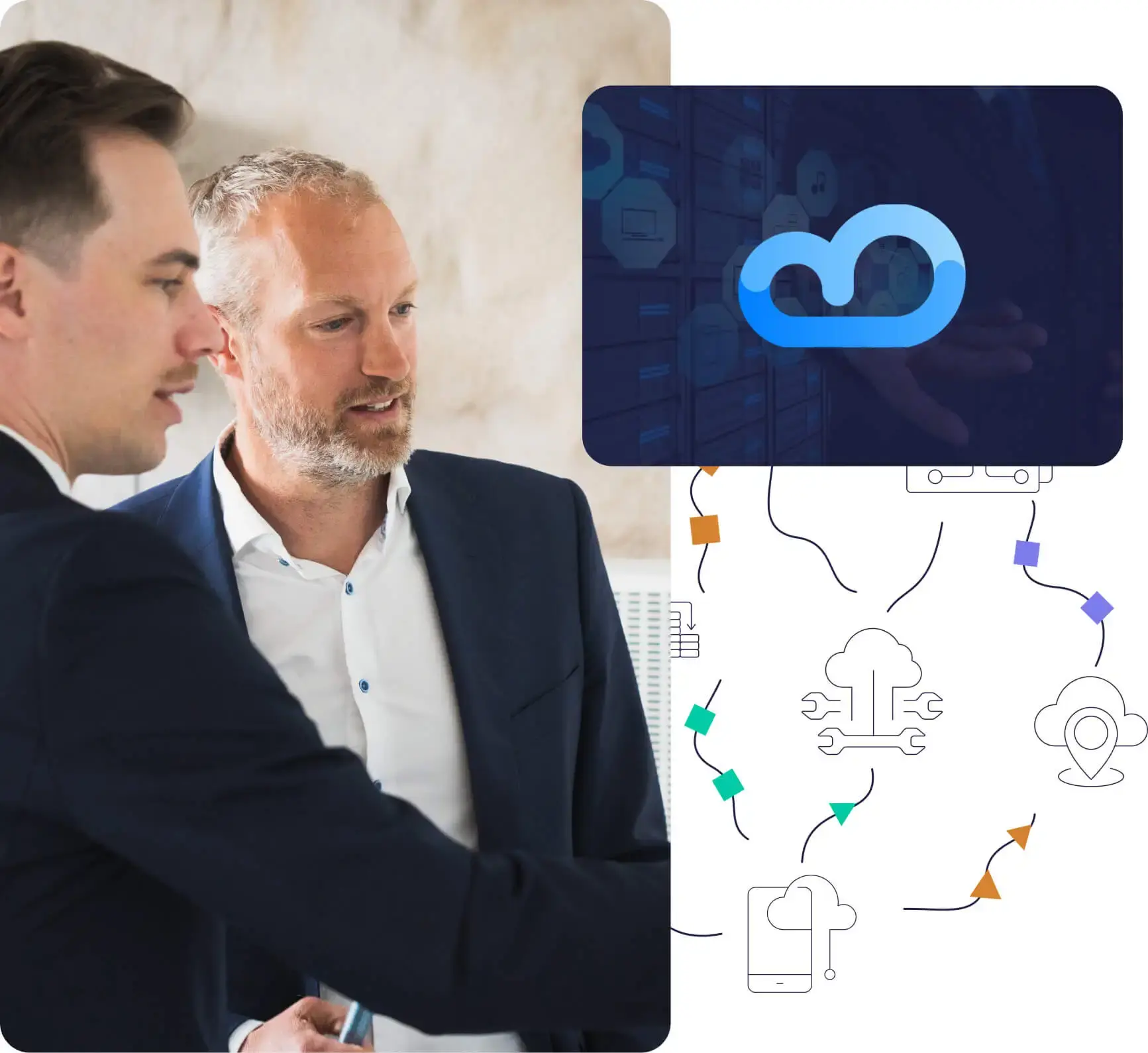
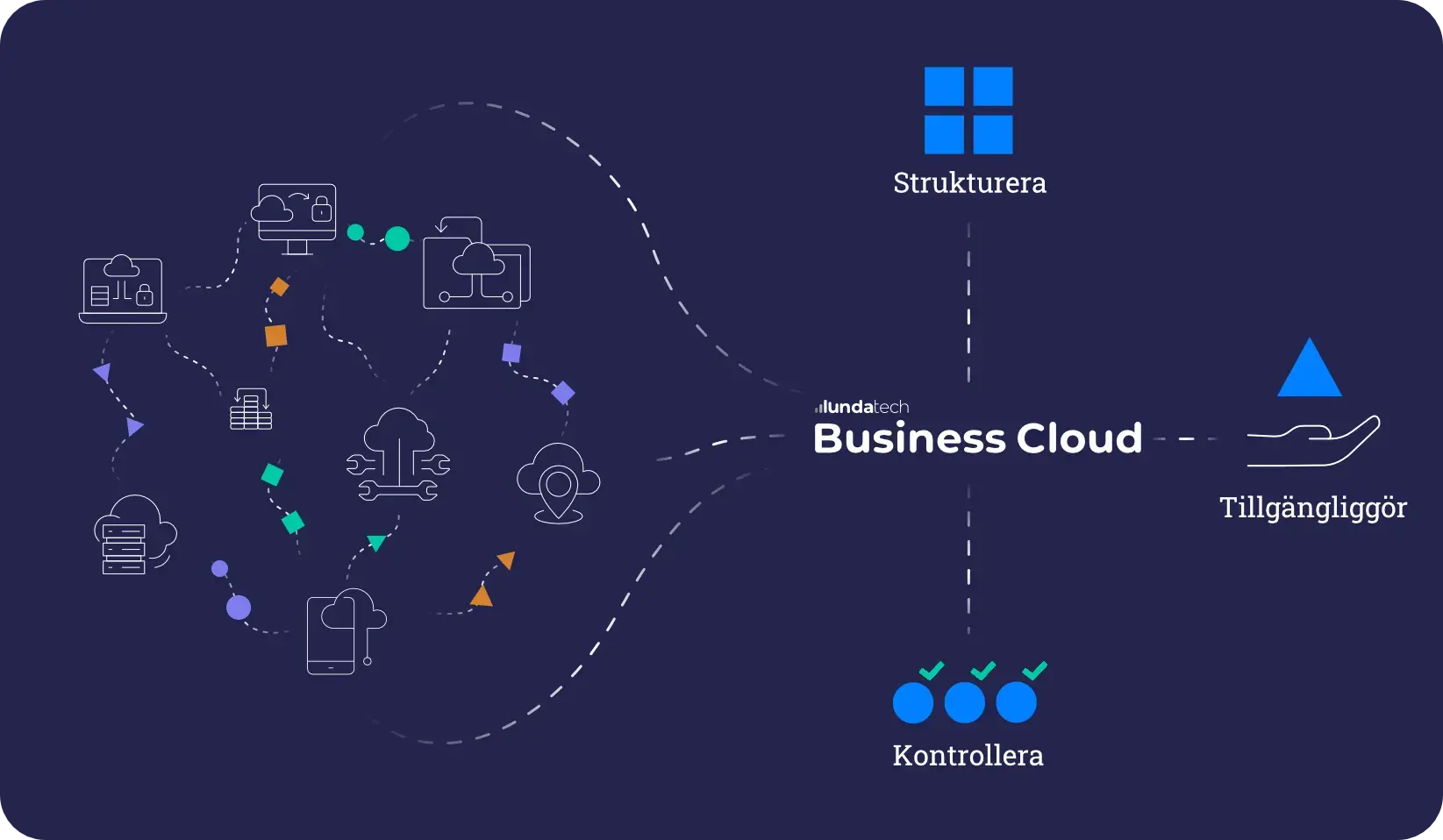
Stratsys is a cloud-based governance and management tool where organizations plan, carry out and follow up goals and activities. Lundatech Business Cloud collects key figures and actuals from finance, HR and operational systems, structures them and delivers them to Stratsys. Goal tracking is then updated automatically with real figures.
Goal tracking in Stratsys with automatically updated key figures
Key figures from many sources, one structure

Key figures from many sources, one structure

Organizations working in Stratsys often pull measures from many different systems, and Lundatech Business Cloud converts them into the same structure whatever their original format or technology. Standardized processes, built-in protection and a scalable platform ensure every key figure is correct and current.

Interested in Stratsys?

Contact us to learn more about our integration solutions.

Contact us

Frequently asked questions about iPaaS

An integration platform connects systems, applications, and data sources in a structured way. Instead of building and maintaining multiple point-to-point integrations, all data flows are managed through a central platform, making integrations easier to scale, monitor, and maintain.

iPaaS (Integration Platform as a Service) is a cloud-based integration platform that enables organizations to connect systems, automate data flows, and manage integrations without building and operating their own integration infrastructure.

Traditional integrations are often built as individual point-to-point connections. As the number of systems grows, these connections become difficult to maintain and scale. An iPaaS platform provides a central integration layer where data flows, transformations, and business logic can be managed in a structured and reusable way.

System integration is the process of connecting different IT systems so they can exchange data in a secure, efficient, and automated way. The goal is to create seamless information flows across the organization, reduce manual work, and ensure that the right information is available where it is needed. Integration can be achieved through APIs, integration platforms (iPaaS), databases, or other technical interfaces.

System integration helps organizations reduce manual work, improve data quality, and automate information flows between systems. It creates better conditions for reporting, analytics, and business development while reducing the risk of errors and duplicate work.

No. One of the key benefits of modern system integration is that existing systems can continue to be used while sharing information with other applications. The goal is to create a connected system landscape where systems work together efficiently without replacing solutions that already serve the business well.