






 Lundatech
System Integration – From Technical Solution to Strategic Capability
What is system integration? Learn how the right strategy connects your systems, improves data quality, and creates a scalable, data-driven...










APIs have become a fundamental building block in modern integration landscapes. They enable systems to communicate with one another and facilitate automated information flows between applications, platforms, and data sources.
As organizations adopt an increasing number of business systems, cloud services, and digital platforms, the need to share information securely, consistently, and at scale continues to grow. APIs play a central role in making this possible. However, APIs are rarely a complete integration solution in themselves. They are used alongside integration platforms and architectures that ensure information flows can be developed, monitored, and managed over time.
For SaaS and product companies, API integrations are often part of the product offering itself. When every new customer, market, or partner requires new connections, integration work can quickly consume an increasingly large share of development capacity.
In this guide, we explain what API integration is, how APIs are used in modern integration landscapes, and why they are an essential building block for integration platforms, data platforms, and AI.
Content:
How does API integration work?
The Business Value of API Integration
Common Challenges of API Integration
API Integration Across Different Industries
From API Integration to Long-Term Integration Capabilities
Frequently asked questions about API integration (FAQ)
Next Steps—Build Integration Capabilities That Stand the Test of Time
APIs have become a central building block in modern integration landscapes. As organizations adopt more business systems, cloud services, and digital platforms, the need for standardized information flows between systems continues to grow.
This development is also reflected in how organizations approach their APIs. According to Postman’s 2025 State of the API Report, 82 percent of surveyed organizations have adopted an API-first approach to some extent. The survey included more than 5,700 developers, architects, and decision-makers.
APIs enable standardized information flows between an organization’s systems. This makes it possible to develop integrations that are easier to reuse, enhance, and combine with data platforms, analytics, and AI.
API integration enables systems to communicate with one another through standardized interfaces. APIs allow applications, platforms, and data sources to exchange information in a structured and controlled manner. This creates information flows that can be automated, reused, and further developed over time.
APIs act as standardized interfaces between different systems. When one system needs information from another, it sends a request through the API, which returns the requested information. This allows data to be shared automatically between systems without manual handling.

APIs make it possible to build integrations that evolve as business needs change. When new systems are introduced or processes change, the integration architecture must be able to adapt without extensive rebuilding.
APIs make it easier to:
APIs therefore do more than create technical connections between systems. They also contribute to an integration architecture that is more flexible, scalable, and easier to develop over time.
API integration is about more than connecting systems. By creating structured information flows between an organization’s systems, it becomes possible to automate processes, improve data quality, and establish a stronger foundation for analytics, data platforms, and AI.
With API integration, there is no need to wait for someone to export or update information manually. Instead, data flows between systems in real time. This keeps decision-making data up to date, which is particularly important in industries where a rapid response is essential, such as energy optimization, property management, and customer service.
APIs make it possible to automate repetitive and time-consuming tasks. For example, an API integration between a fault-reporting system and a maintenance system can automatically create work orders when something breaks, without anyone having to enter information manually. When information is shared automatically between systems, less manual work is required, resulting in fewer errors, reduced administration, and more efficient business processes.
When information can be shared across multiple systems, it creates a more unified data foundation. This improves data quality, strengthens reporting and analytics, and enables the organization to make better-informed decisions. At the same time, information becomes easier to reuse in data platforms, automation, and AI.
APIs allow the integration landscape to evolve as business needs change. New systems, services, and information flows can be connected without rebuilding the integration architecture from the ground up. This creates a stronger foundation for long-term management and continued digital development.
APIs do more than enable efficient integrations today. They also lay the foundation for continued digital development by making information available to data platforms, analytics, automation, and AI. When the integration architecture is designed for reuse and continued development, it becomes easier to meet new business needs without complexity increasing at the same rate.
API integration creates significant opportunities, but it also requires a well-designed integration architecture. The challenges rarely concern the APIs themselves; rather, they involve how different systems, data flows, and information models work together over time.
For SaaS companies, this challenge becomes particularly apparent as the number of customers and integrations grows. Customer-specific solutions that initially seem reasonable can collectively create an increasing need for maintenance, troubleshooting, and support. This risks turning integration work into a bottleneck and diverting development capacity away from the core product.
Not all systems are designed for easy integration. Older or industry-specific solutions, in particular, may lack modern APIs or have limited documentation, increasing the complexity of integration work.
Modern integration platforms and a well-designed integration architecture make it possible to handle these environments through alternative integration methods and a structured approach to information exchange.
Even when an API is available, its documentation may be incomplete or difficult to interpret. This increases the risk of longer development times, incorrect implementations, and more complex maintenance.
Clear documentation, standardized practices, and a shared integration platform make it easier to develop and enhance integrations over time.
When information is shared across multiple systems, security becomes a central concern. Authentication, access control, encryption, and traceability must be integral parts of the integration architecture to protect business-critical information and comply with regulations such as GDPR and NIS2.
API integration requires expertise in integration architecture, information flows, and system design. Without a clear strategy, integrations risk being developed without a shared structure, increasing complexity and making future development more difficult.
A clear integration strategy and established practices reduce the risk of technical debt and create a stronger foundation for continued development.
As the number of systems, data sources, and digital services increases, the integration landscape becomes more complex. Without a shared structure, information flows risk becoming difficult to understand, manage, and develop further.
An integration platform provides greater control over information flows, makes integrations easier to reuse, and gives the organization greater flexibility as new systems and business needs emerge.

API integration is used today in most organizations where information needs to be shared across multiple systems. Regardless of industry, the goal is to create connected information flows that can be developed, reused, and managed over time.
Common examples include:
When information is entered into one system, it can be shared automatically with other business systems. This may include customer information, orders, bookings, or other business-critical data flows. The result is less manual work, fewer errors, and more consistent processes.
Information from one business system can automatically create or update cases in another. This reduces administrative work, shortens lead times, and ensures that the correct information is available throughout the entire process.
When new users are registered or existing details change, API integration can automatically update identity and access management systems. This simplifies administration while improving both security and traceability.
Data from enterprise systems, operational systems, sensors, and other sources can be consolidated in a shared data platform. By making information available in the right structure at the right time, this creates a stronger foundation for reporting, analytics, automation, and AI.
API integration makes it possible to share information between enterprise systems, CRM platforms, financial systems, and other business-critical solutions. Reusing data across systems improves data quality while giving the organization better decision-making insights and greater opportunities to evolve over time.
API integration is rarely about a single integration. The long-term challenge is to create an integration architecture in which information flows can be developed, reused, and managed over time. APIs are therefore an important building block in a modern integration strategy, where integrations become part of the organization’s long-term integration capabilities.
For SaaS and product companies, a more standardized and proactively monitored approach to integration can mean faster time to market, a reduced support workload, and more capacity to develop the core product. More stable integrations also reduce friction in customer relationships by enabling problems to be detected and addressed earlier.
Discovery and analysis:
We begin by mapping the organization’s systems, information flows, and integration needs. This creates a shared foundation for an integration architecture that supports both current and future requirements.
Design and implementation:
Integrations are developed with a focus on reusability, security, and long-term management. The goal is to create information flows that can evolve alongside the organization.
Development and quality assurance:
We build, test, and quality-assure the integration solution. All code is documented and follows modern standards. Our solutions are built to last—and to adapt as needs change.
Management and continuous development:
Integration work continues after deployment. Continuous monitoring and development ensure that the integration platform continues to deliver value as the system landscape evolves.
A modern integration platform provides the foundation for developing, monitoring, and managing API integrations over time. Business Cloud is Lundatech’s integration platform, developed to support this type of integration architecture.
Lundatech Business Cloud serves as the hub for many of our integration solutions. It is a cloud-based platform that enables secure and flexible data sharing between systems, regardless of environment. The platform is designed to support compliance with GDPR, NIS2, and other relevant security requirements—and is currently used by several public- and private-sector organizations with stringent reliability requirements.
API integration is about far more than connecting systems. It is about creating information flows that can evolve, be reused, and be managed as business needs change.
At Lundatech, we help organizations develop scalable integration strategies and architectures with Business Cloud as the foundation. The result is a robust integration capability that enables data platforms, automation, AI, and continued digital development.
Would you like to discuss how Business Cloud could strengthen your integration strategy?
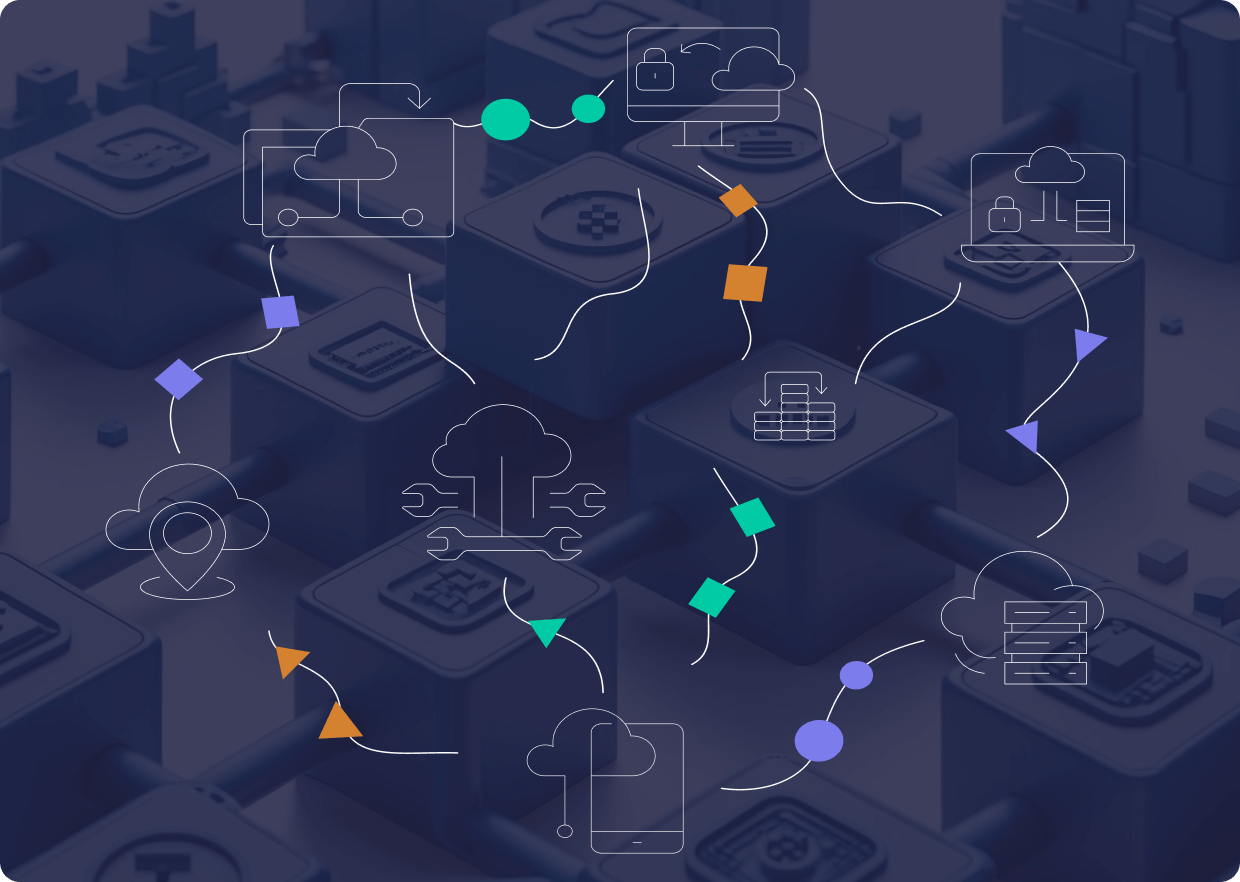
What is system integration? Learn how the right strategy connects your systems, improves data quality, and creates a scalable, data-driven...

Streamline your system integration with iPaaS. Learn how a cloud-based integration platform improves data quality and creates a flexible IT...

Discover everything you need to know about integration platforms. Learn what an integration platform is, explore its benefits, and find out more.