




Skip to the main content.
Contact us
Do you have a complex integration challenge or need long-term stability?

We help you understand your current situation and define the next steps.
 

Integrations | Sedna VMS

Integrate with Sedna VMS regardless of the source system using Lundatech Business Cloud

Every voyage in Sedna VMS, visible in your finance systems

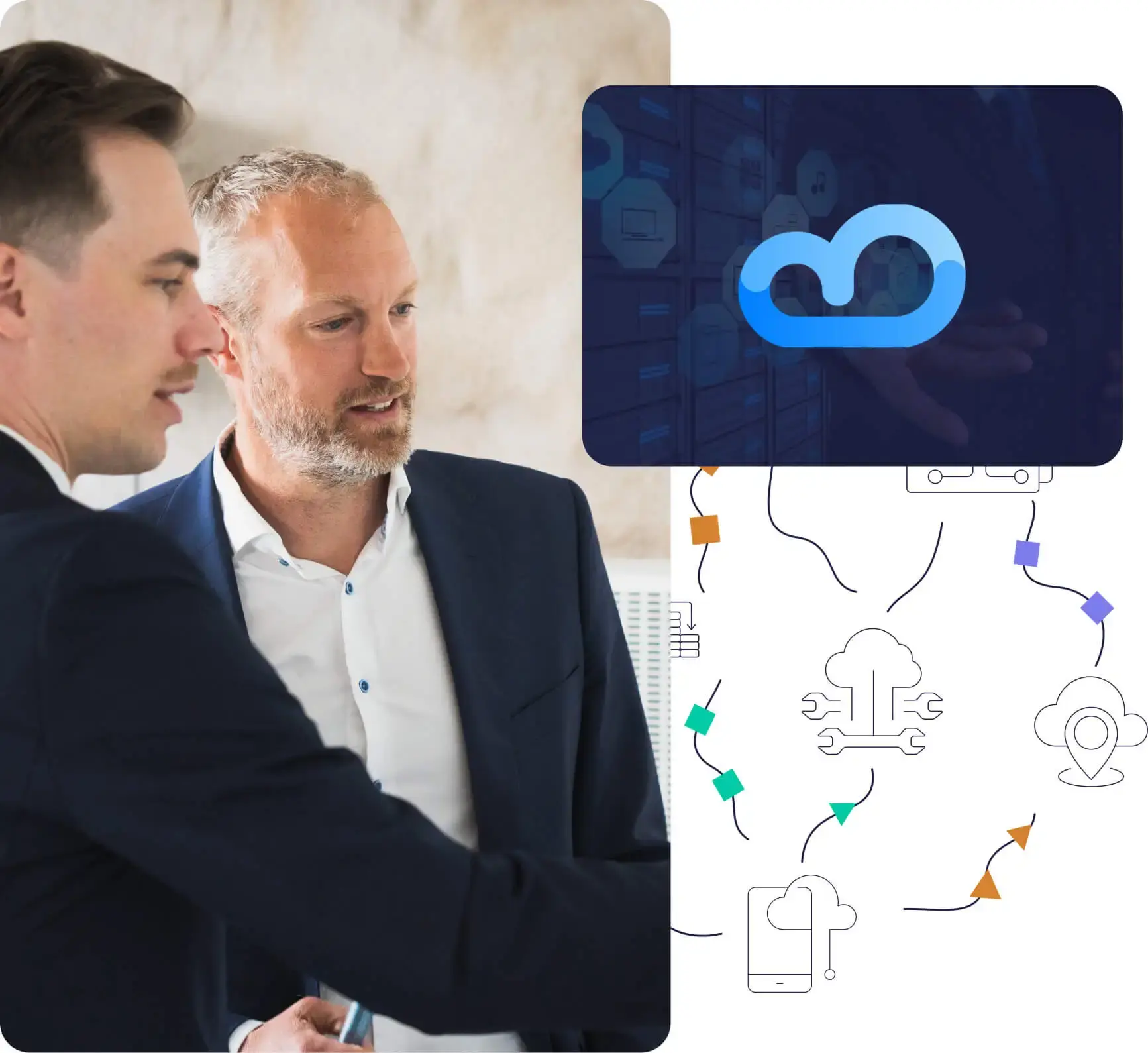
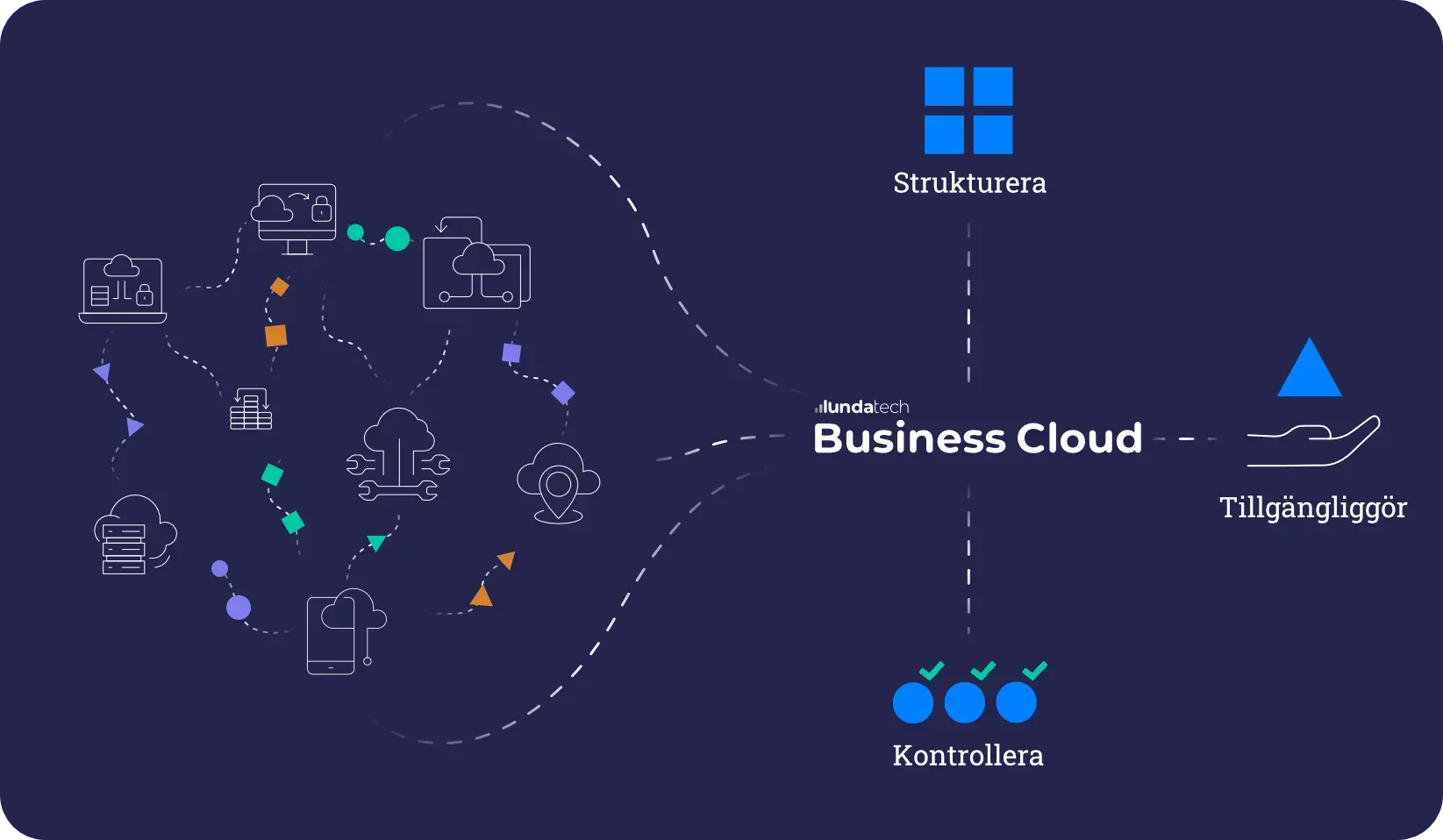
Sedna VMS brings chartering, operations and finance together around each voyage and is built on real-time data and open APIs. Lundatech Business Cloud can transfer results, costs and invoicing data per voyage from Sedna VMS to the shipping company's financial and reporting tools. The finance team then follows profitability per voyage without moving figures by hand.
Every voyage in Sedna VMS, visible in your finance systems
Shipping data with no detours to finance

Shipping data with no detours to finance

Lundatech Business Cloud interprets data from Sedna VMS and delivers it to finance and reporting systems shaped to what each recipient requires, regardless of its underlying technology. The platform is secure by design and handles growing fleets, and its standardized processes result in structured, correct and updated voyage information.
Need custom integration?

We can develop custom solutions for your specific needs.

Get in touch

Frequently asked questions about iPaaS

An integration platform connects systems, applications, and data sources in a structured way. Instead of building and maintaining multiple point-to-point integrations, all data flows are managed through a central platform, making integrations easier to scale, monitor, and maintain.

iPaaS (Integration Platform as a Service) is a cloud-based integration platform that enables organizations to connect systems, automate data flows, and manage integrations without building and operating their own integration infrastructure.

Traditional integrations are often built as individual point-to-point connections. As the number of systems grows, these connections become difficult to maintain and scale. An iPaaS platform provides a central integration layer where data flows, transformations, and business logic can be managed in a structured and reusable way.

System integration is the process of connecting different IT systems so they can exchange data in a secure, efficient, and automated way. The goal is to create seamless information flows across the organization, reduce manual work, and ensure that the right information is available where it is needed. Integration can be achieved through APIs, integration platforms (iPaaS), databases, or other technical interfaces.

System integration helps organizations reduce manual work, improve data quality, and automate information flows between systems. It creates better conditions for reporting, analytics, and business development while reducing the risk of errors and duplicate work.

No. One of the key benefits of modern system integration is that existing systems can continue to be used while sharing information with other applications. The goal is to create a connected system landscape where systems work together efficiently without replacing solutions that already serve the business well.